Crafting Perimeter Perfection: How to Choose the Ideal Fencing Material Jan 16, 2026
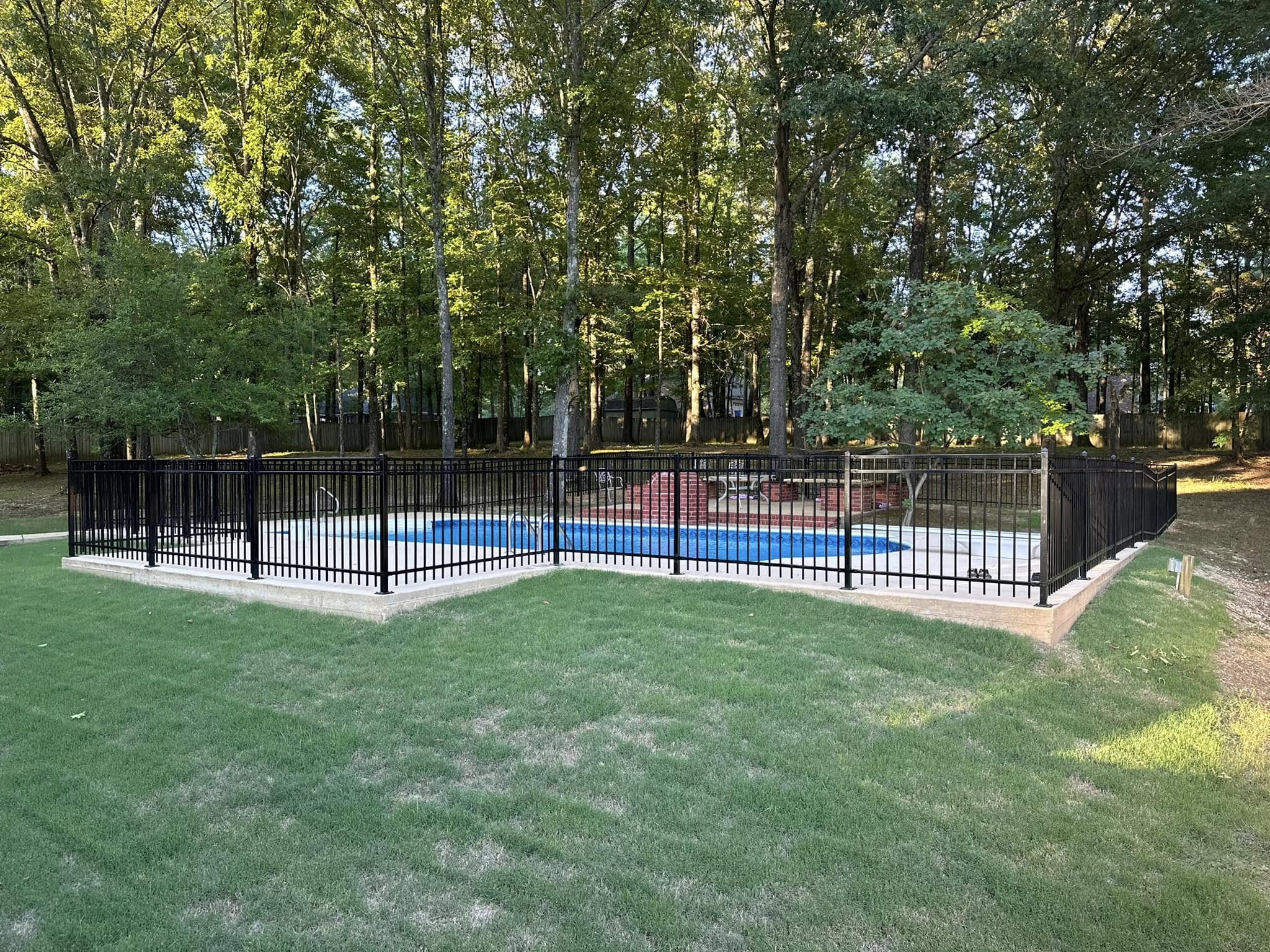
First, define the primary purpose of your fence. Are you looking for added security, privacy, a pet enclosure, or simply decorative enhancement? Each objective can influence your choice of materials. For instance, if security is your priority, sturdy materials like metal or vinyl might be the best choice due to their durability. Conversely, if privacy is paramount, a solid wood or vinyl fence can provide an effective barrier without compromising style.
Next, consider the environmental factors that may affect your fence. Weather conditions play a significant role in the longevity of fencing materials. If you live in an area with high humidity or frequent rainfall, materials like aluminum and vinyl are excellent choices due to their resistance to moisture and rust. Wood, while traditional and aesthetically pleasing, may require more maintenance and regular treatments to withstand such conditions.
The aesthetic appeal of your fence is another crucial factor. You want your fence to complement the style and architecture of your home. Wooden fences are timeless and versatile, perfect for rustic or traditional homes. They can be stained or painted to match your color scheme. On the other hand, modern homes might blend better with sleek metal or composite options that offer a more contemporary feel.
Maintenance is a significant consideration in choosing your fencing material. Each material comes with different upkeep requirements. For example, wood fences typically necessitate routine staining or sealing to protect against weathering, making them more labor-intensive. In contrast, options like vinyl or metal may require less maintenance, often just an occasional cleaning to maintain their fresh appearance.
Budget constraints also cannot be ignored when selecting fencing materials. While wood can initially be less expensive, the ongoing cost of maintenance can add up over time. Vinyl and aluminum fences, though they might require a higher upfront investment, often present more cost-effective long-term solutions due to their durability and low maintenance needs. At Frontline Fencing LLC, we can work with you to find a fencing material that fits your budget while meeting your needs.
Finally, it is crucial to verify if there are any local building codes or homeowners association regulations regarding the type of fencing permissible in your area. Some communities may have height restrictions or dictate the type of materials you can use, potentially limiting your options. Understanding these regulations can save you time and money by preventing the need for alterations or replacements later on.
In conclusion, choosing the ideal fencing material involves balancing multiple factors, including purpose, environmental conditions, aesthetics, maintenance, and budget. Each option offers distinct characteristics, and understanding these can significantly streamline your decision-making process. At Frontline Fencing LLC, we specialize in providing expert advice and high-quality fencing solutions that align with your unique needs and preferences. Contact us today to explore how we can assist you in crafting the perimeter perfection your property deserves.
/filters:no_upscale()/filters:format(webp)/media/0274edda-a37b-4847-b639-735b14d9a3be.jpeg)
/filters:no_upscale()/filters:format(webp)/media/61a294bb-6171-4a4b-b2e7-f875902a1d9c.jpeg)