Enhancing Fire Safety: Choosing Fire-Resistant Fencing Materials May 09, 2026
The importance of fire-resistant fencing cannot be overstated, particularly in regions prone to wildfires. Fences serve as the first line of defense in preventing the spread of flames to your property. Not all fencing materials are created equal when it comes to resisting fire, so it is vital to choose wisely.
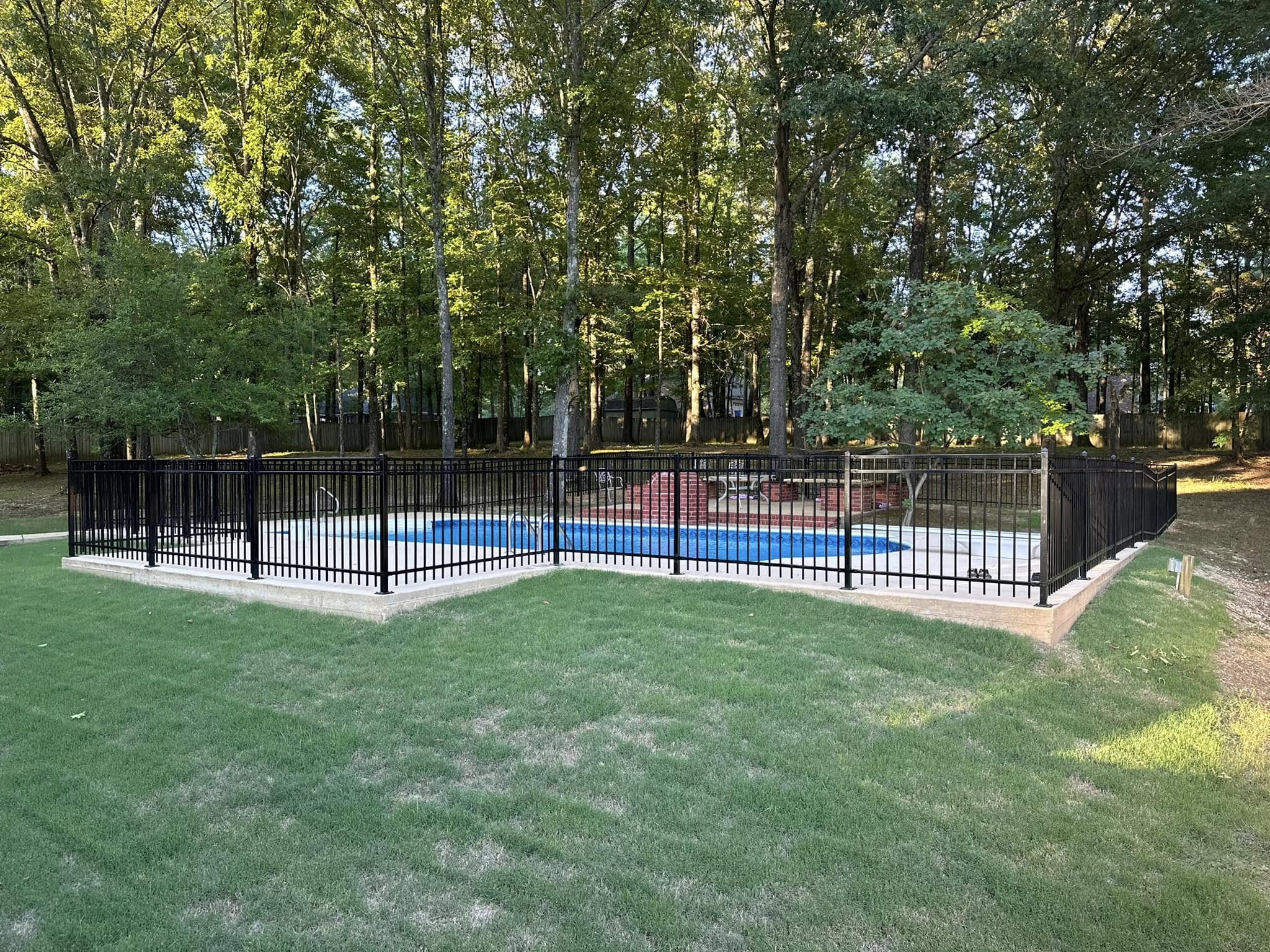
Metal fencing, such as steel and aluminum, is one of the top recommendations for its fire-resistant qualities. Both materials can withstand high temperatures and resist ignition longer than traditional wooden fences. Steel fencing, in particular, offers durability and a modern aesthetic that can complement any home style. While slightly more expensive upfront, metal fences require less maintenance over time, negating the need for frequent repairs or replacements.
Stone walls are another excellent option for those seeking safety combined with a rustic charm. Stone is naturally fire-resistant and can act as a barrier against flying embers that might otherwise ignite more flammable materials. Additionally, it provides a robust, long-lasting solution that can withstand the elements for years without significant deterioration.
For property owners who prefer the traditional look of wooden fences, treated wood is an option worth exploring. Pressure-treated wood, which is often infused with fire retardants, can offer a certain level of resistance to fire compared to untreated lumber. While it does not offer the same level of fire resistance as metal or stone, it can be a viable compromise for those seeking both aesthetics and safety on a budget.
Composite materials are a modern alternative gaining popularity due to their balance between durability, cost, and resistance to fire. These materials often combine wood fibers and plastics to create a durable, flame-resistant solution. Composite fencing can mimic the appearance of wood while offering greater longevity and fire resistance.
Beyond material choice, maintenance plays a key role in enhancing fire-resistant properties. Regularly removing dry leaves, debris, and flammable materials around the fence will further minimize fire risk. A well-maintained fence combined with smart landscaping choices can create a defensible space that protects your home from the threat of fire.
In conclusion, choosing fire-resistant fencing materials is an essential step in protecting your home from potential fire hazards. By opting for materials like metal, stone, treated wood, or composites, you enhance your property's safety while maintaining aesthetic appeal. A proactive approach in selecting and maintaining fire-resistant materials not only safeguards your investment but provides peace of mind knowing you have reduced your risk of property damage from fire. For homeowners, considering these material choices and maintenance practices can make a substantial difference in their fire safety strategy. With carefully selected fencing, you create a formidable barrier that can protect what matters most.
/filters:no_upscale()/filters:format(webp)/media/0274edda-a37b-4847-b639-735b14d9a3be.jpeg)
/filters:no_upscale()/filters:format(webp)/media/61a294bb-6171-4a4b-b2e7-f875902a1d9c.jpeg)