Fencing for Extreme Climates: Challenges and Solutions for Every Environment Feb 02, 2026
Extreme climates require materials and designs that can resist the specific stresses imposed by the environment. For instance, if you live in a hot and arid area, wood fences might warp and crack due to the lack of moisture. In such settings, metal or vinyl fencing comes out as a more favorable option. These materials are not only resistant to heat but also less likely to be affected by pest infestations, a common issue with wood fencing.
On the other hand, high humidity and heavy rainfall pose their challenges. Wooden fences might rot or suffer from mold in such conditions. For these environments, Frontline Fencing LLC recommends composite or PVC fences. These materials are more resilient against moisture-related damages and require far less maintenance compared to traditional wood fences. They offer the added benefit of coming in a variety of styles and colors, which can complement any home design.
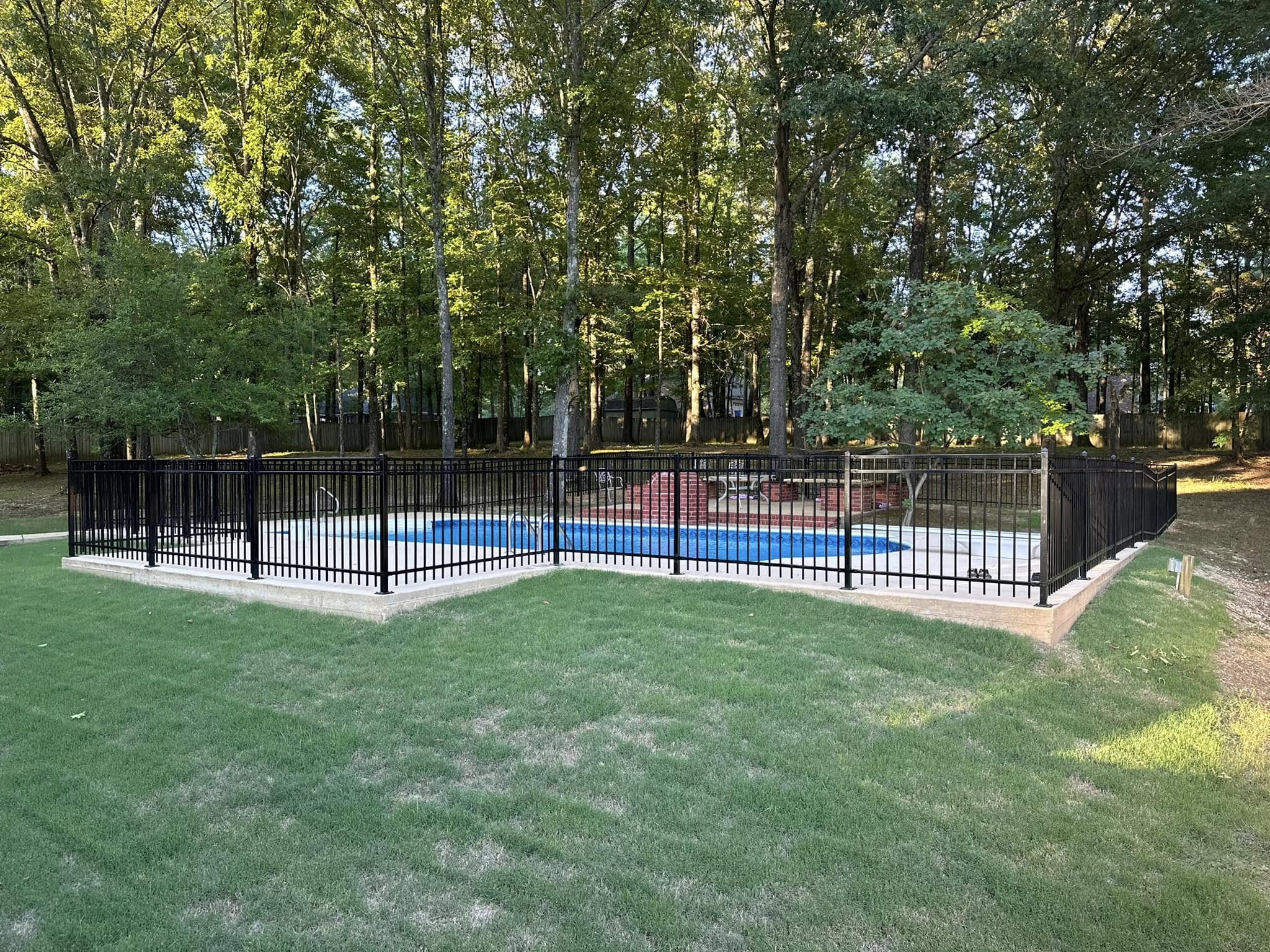
In cold climates where snow, ice, and fluctuating temperatures are the norms, durability is crucial. Frost can shift ground levels, putting strain on fence posts and panels. Here, metal fencing with a powder-coated finish is an optimal choice. Galvanized steel is especially beneficial, offering superior resistance against rust and corrosion. Additionally, ensuring deep and secure installation is vital to prevent upheaval during freeze-thaw cycles.
Windy areas present another unique challenge. High winds can easily topple inadequately secured fencing. For such regions, strong and flexible materials like mesh or chain-link fences reinforced with sturdy posts are ideal. These designs allow wind to pass through rather than creating a solid barrier that could act as a sail, reducing the risk of damage.
Apart from choosing the right materials, the installation technique also plays a significant role in the fence's longevity. At Frontline Fencing LLC, we emphasize the importance of site assessment. Understanding the soil type, local weather patterns, and exposure levels helps in designing a fence that can endure specific environmental pressures.
Moreover, routine maintenance cannot be overlooked regardless of the fencing material or climate. Regular inspections to check for signs of wear and tear, cleaning moldy areas, and ensuring hardware is secure are all crucial practices that prolong the life of your fence. For wooden fences, reapplication of sealants or stains can help protect against moisture and UV damage, while metal fences may benefit from occasional rustproof coatings.
In conclusion, selecting the right fencing solution for extreme climates requires careful consideration of materials, design, and installation techniques. Frontline Fencing LLC's expertise in diverse environmental settings ensures that our tailored solutions meet the specific needs of your locale, providing peace of mind and exceptional value. Whether it's resisting the intense heat, heavy downpours, freezing temperatures, or relentless winds, the right fence enhances both the security and beauty of your property. Always remember, investing in quality materials and proper installation today means fewer headaches and lower costs tomorrow.
/filters:no_upscale()/filters:format(webp)/media/0274edda-a37b-4847-b639-735b14d9a3be.jpeg)
/filters:no_upscale()/filters:format(webp)/media/61a294bb-6171-4a4b-b2e7-f875902a1d9c.jpeg)