Maximizing Pet Safety: Designing the Ideal Fence for Your Furry Friends Dec 17, 2025
Understanding the specific needs of your furry friends is the first step in designing an effective fence. Different pets have varying requirements based on their sizes, behaviors, and activity levels. For instance, a fencing solution for a tiny Chihuahua will differ significantly from one for a spirited Labrador Retriever. By considering these factors, you can ensure the safety and comfort of your pets in their outdoor space.
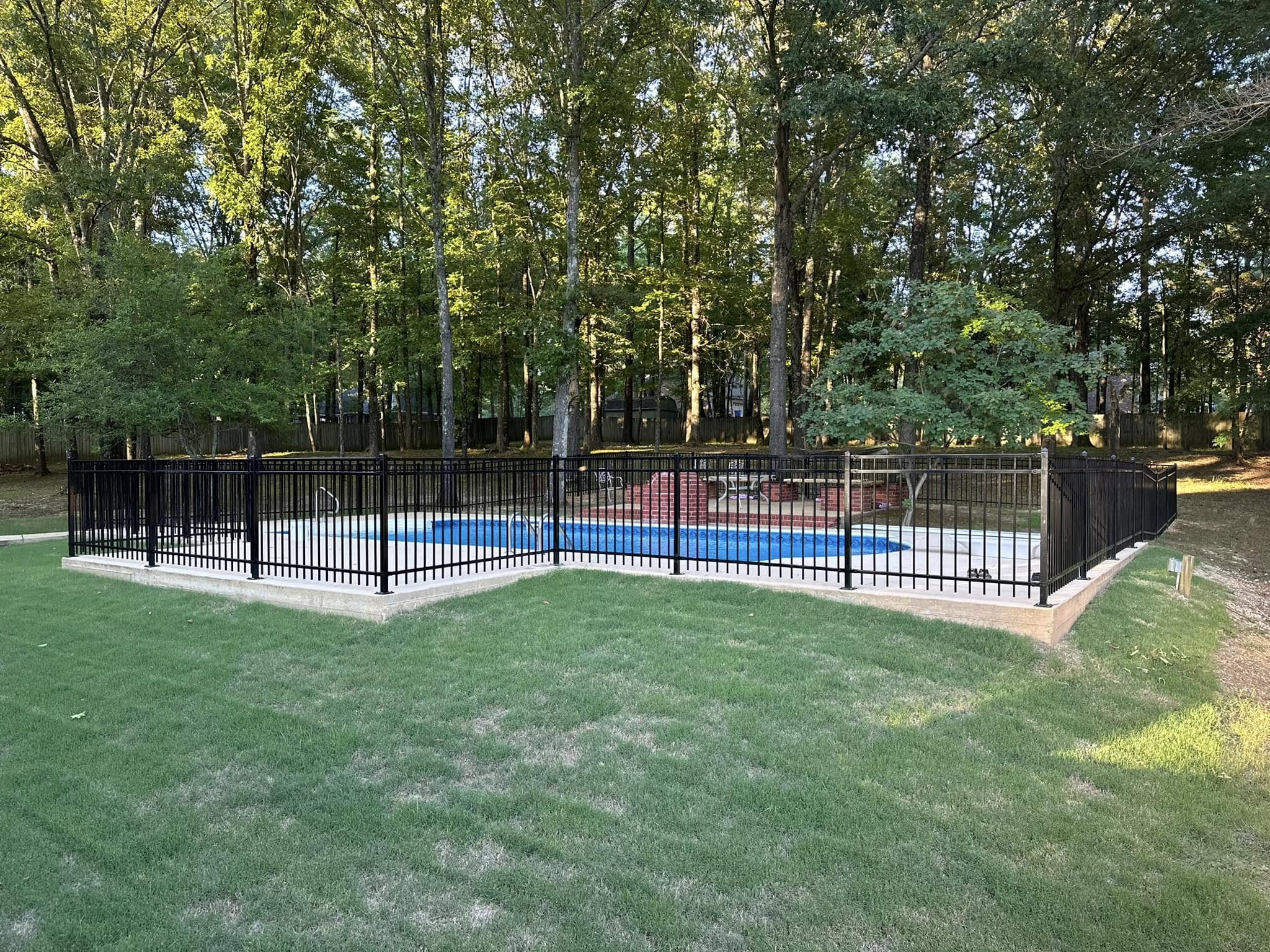
Material choice is another critical aspect of designing a pet-friendly fence. Durable materials like vinyl, wood, and metal offer longevity and sturdiness, making it difficult for pets to escape or damage the structure. Each material has its advantages: vinyl fences are low-maintenance and weather-resistant, wooden fences offer a natural appearance and can be customized easily, and metal fences provide robust security.
Height is a fundamental consideration when planning your fence. Pets, especially dogs, are often good jumpers. Evaluating their jumping capabilities can help you determine the appropriate fence height. A fence too short may not contain a large, active dog, while a tall fence may be unnecessary for smaller pets. Ideally, a fence for most medium to large dogs should be at least six feet high.
In addition to height, consider the design of the fence concerning gaps and slats. Pets can be curious, sticking their heads or paws through any available gaps, which can result in injury or escape. Opting for a fence with closely spaced slats or a solid panel design can enhance safety by preventing pets from squeezing through.
Ground level precautions should not be overlooked. Digging is a common behavior among dogs, particularly with breeds known for their burrowing nature. To counteract this, consider extending the fence below ground level or incorporating a dig-proof barrier. This can deter your pets from tunneling under the fence and provide an extra layer of security.
No matter how secure the fence is, gates can often be weak points in a pet containment solution. Ensure that gates are self-closing and have secure latches that are beyond your pet's reach. Furthermore, regular maintenance checks on hinges and latch systems can prevent accidental escapes.
Finally, think about the visibility aspect for both your pets and those outside the fence. Pets that can see through the fence might become agitated by stimuli beyond it, such as passing cars or other animals. A semi-private or privacy fence can reduce visual stimulation, helping keep them calm and content.
In conclusion, designing the ideal fence for your pets involves thoughtful consideration of their specific needs and your property's characteristics. By partnering with Frontline Fencing LLC, you gain access to expertise and a range of materials and designs tailored to creating a safe, secure, and attractive environment for your pets. Investing time and thought into your fencing project will pay dividends in the form of peace of mind and happy, healthy pets.
/filters:no_upscale()/filters:format(webp)/media/0274edda-a37b-4847-b639-735b14d9a3be.jpeg)
/filters:no_upscale()/filters:format(webp)/media/61a294bb-6171-4a4b-b2e7-f875902a1d9c.jpeg)