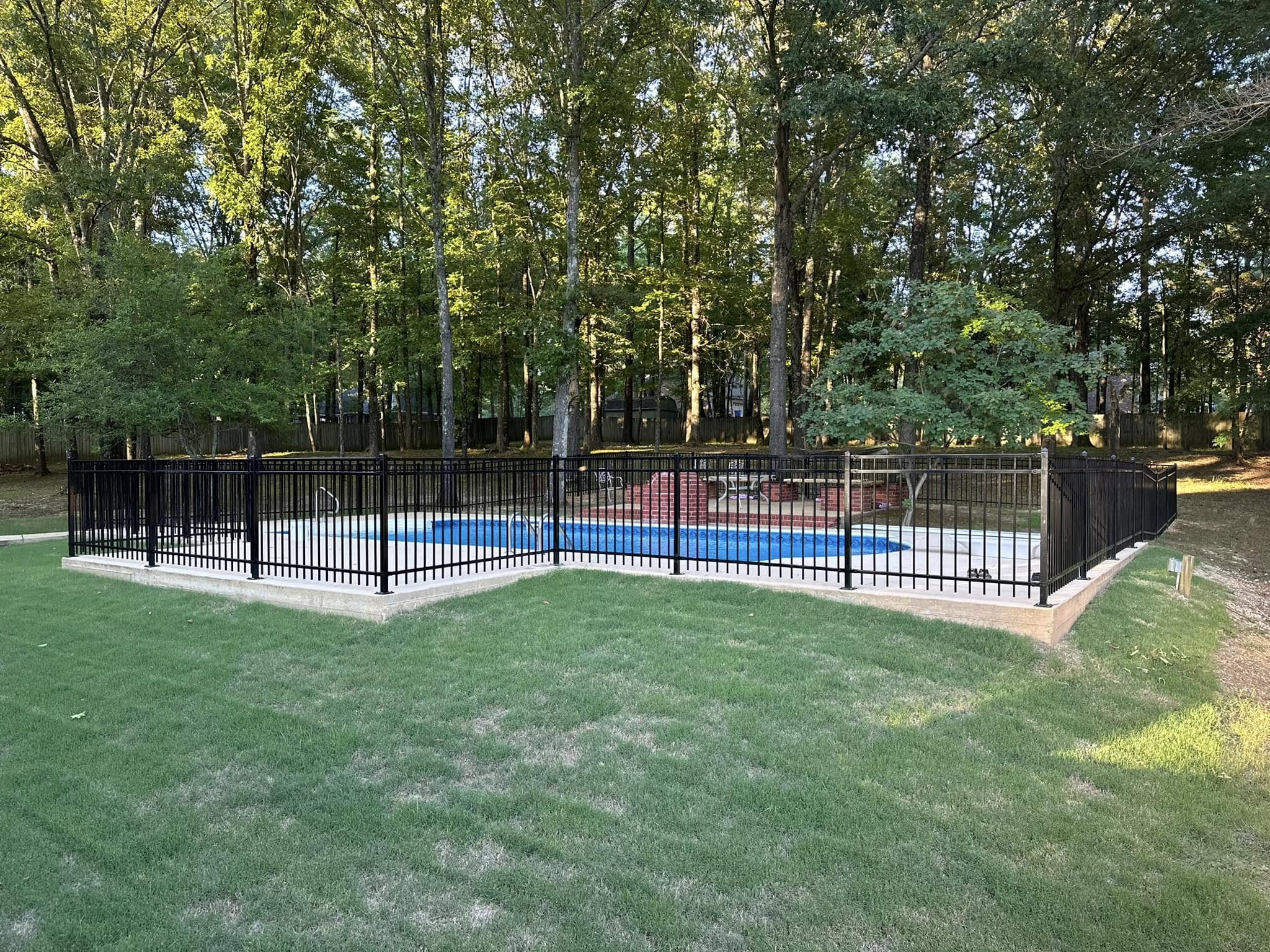
Reinforcing Your Garden: How Fencing Contributes to Plant Health and Growth Jun 12, 2026
The basic function of a fence is to delineate boundaries, but for garden enthusiasts, it offers much more. A sturdy, well-constructed fence is essential for protecting your garden from pests and wildlife that might otherwise feast on your plants. Rabbits, deer, and other critters can cause extensive damage to a garden in a matter of hours, but a reliable fence acts as an effective deterrent. With the right fencing solutions from Frontline Fencing LLC, you can protect every leaf and petal, ensuring your garden receives the opportunity to grow undisturbed.
Beyond pest control, fencing is also pivotal in creating a microclimate that benefits plant growth. With various materials available, fences can shield delicate plants from harsh winds, excessive sunlight, and inclement weather, thereby creating a stable environment for growth. Wooden and vinyl fences, for example, can serve as excellent windbreakers that reduce plant stress and dehydration. By mitigating extreme environmental conditions, your garden becomes a more suitable habitat for your plants to thrive.
Fences also offer essential support for climbing plants, which can use the structure as a foundation for their ascension. Climbing plants such as roses, cucumbers, and vines require support to grow optimally, and a fence provides the perfect means for upward growth, helping increase sunlight access. Incorporating plants strategically around your fencing not only amplifies the aesthetic appeal but also promotes a healthy, diverse ecosystem. Introducing trellises or lattice extensions can further diversify your garden’s vertical landscape.
Another often-overlooked advantage of fencing is soil protection. Erosion can be a significant issue, particularly on sloped terrains or in regions susceptible to heavy rainfall. A strategically placed fence can direct water flow and prevent soil erosion, maintaining the integrity of your garden soil which is crucial for plant health. Keeping the soil intact ensures that nutrients remain available for your plants, thus promoting better growth.
When selecting fencing materials for your garden, consider not only aesthetics but also functionality and durability. At Frontline Fencing LLC, we offer a range of materials including wood, vinyl, and metal that cater to diverse gardening needs. Selecting the right fence can transform your garden into a more protected, productive, and visually appealing space.
In conclusion, fencing is a multifaceted tool that can significantly enhance plant health and growth. By understanding its potential benefits, gardeners can make informed decisions to optimize their gardens. Whether it's protecting plants from pests, creating a supportive microclimate, or preventing soil erosion, the right fence is a valuable investment. At Frontline Fencing LLC, we are committed to helping our clients achieve their gardening goals through expert fencing solutions that cater to both functional and aesthetic needs.
/filters:no_upscale()/filters:format(webp)/media/0274edda-a37b-4847-b639-735b14d9a3be.jpeg)
/filters:no_upscale()/filters:format(webp)/media/61a294bb-6171-4a4b-b2e7-f875902a1d9c.jpeg)