Revitalizing Heritage Spaces: How Historic Design Influences Modern Fencing Jun 28, 2026
Modern fencing often draws inspiration from the past, infusing contemporary spaces with a sense of history and permanence. This synergy between old and new allows for the creation of fencing that not only provides security and privacy but also contributes to the visual appeal and authenticity of a heritage site. Let’s delve into the key elements that make historic design a cornerstone for contemporary fencing.
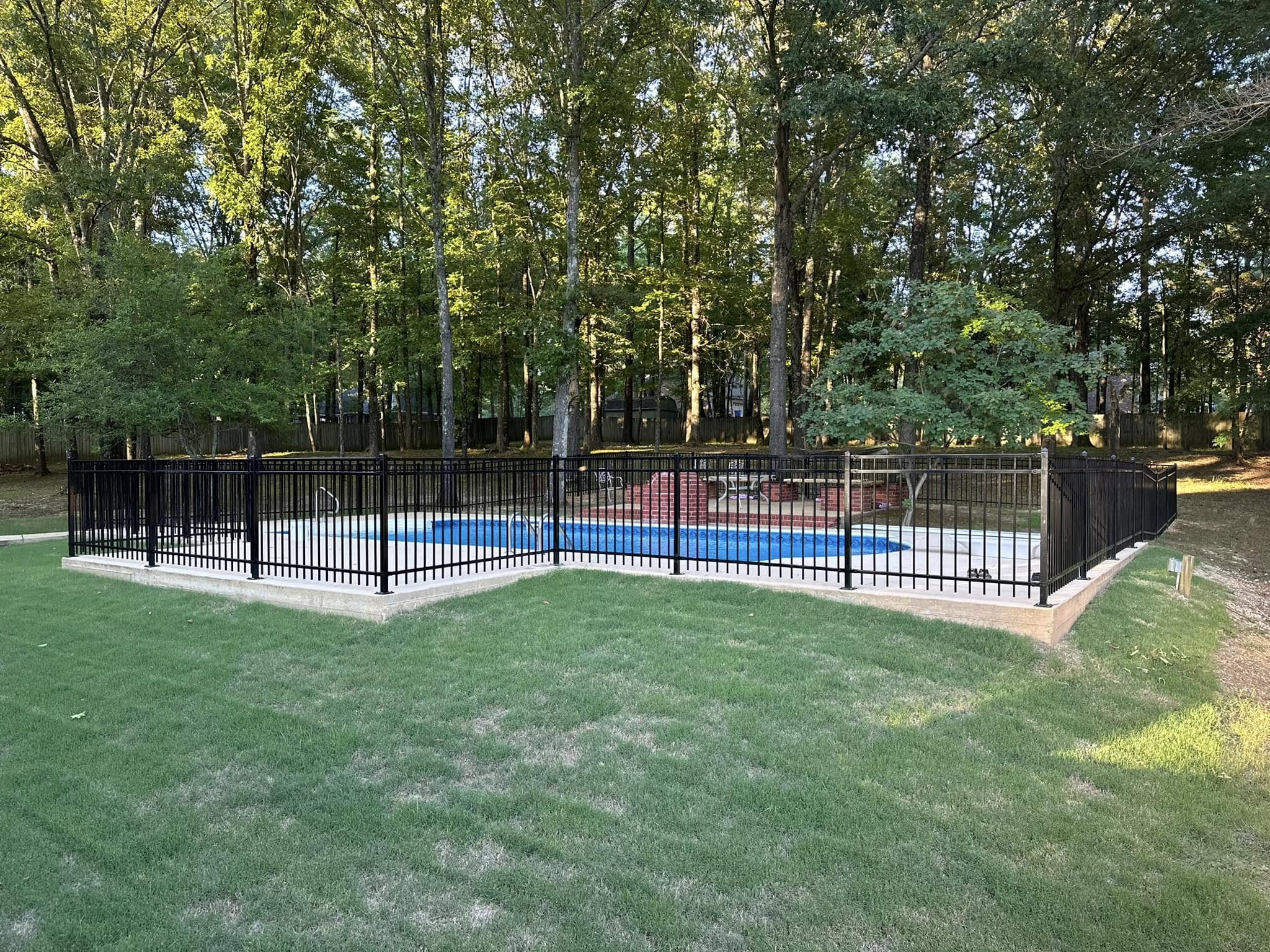
First and foremost, material plays a pivotal role in bridging traditional styles with modern needs. Historic spaces often utilized materials such as wrought iron, wood, and brick, known for both their durability and classical aesthetics. Modern fencing can leverage these materials, or lookalike modern alternatives, to recreate the timeless appeal of historic design while providing the low-maintenance benefits of contemporary options. For instance, aluminum fencing can mimic the look of wrought iron without succumbing to rust, ensuring longevity with minimal upkeep.
Additionally, architectural style from different eras influences the detailed design of modern fencing options. Victorian-inspired fences, known for their ornamental features and intricate detailing, bring an element of elegance and sophistication to any space. By incorporating design elements such as finials, ornamental patterns, and post caps, modern fences can maintain a visual link to the historic period they reflect, thereby enhancing the overall appeal of the property.
Another crucial aspect is the adaptability of historic designs to modern requirements. While historic fences might have been designed solely for aesthetic or property demarcation reasons, modern fencing needs to accommodate safety codes, security concerns, and the need for privacy. Fence height, gate access, and additional features like lockable gates or security hardware are adapted to meet contemporary safety standards while preserving the historic look.
Landscape is another important consideration. The surrounding environment heavily influences fence design and placement in historical contexts. By paying close attention to details such as terrain, foliage, and pathways, modern fences can be designed to harmonize with their environment. This creates a seamless blend of natural and man-made elements, enhancing the sense of place.
In conclusion, designing fencing solutions that honor the elements of historic design while fulfilling modern requirements is both an art and a science. At Frontline Fencing LLC, we pride ourselves on crafting fencing solutions that not only meet practical needs but also celebrate the rich heritage of the past. By balancing traditional aesthetics with contemporary functionalities, we contribute to the revitalization and enjoyment of heritage spaces for generations to come.
Whether you are preserving a legacy building or looking to create a personalized residential space reminiscent of a bygone era, the fusion of historic design with modern fencing techniques offers a timeless, elegant solution. Revitalize your space with a unique fence design that ensures your property is both a personal retreat and a testament to historic charm.
/filters:no_upscale()/filters:format(webp)/media/0274edda-a37b-4847-b639-735b14d9a3be.jpeg)
/filters:no_upscale()/filters:format(webp)/media/61a294bb-6171-4a4b-b2e7-f875902a1d9c.jpeg)