The Evolution of Fencing Materials: From Wood to Composite Dec 08, 2025
Historically, wood has been the go-to choice for fencing due to its availability and ease of use. Wooden fences evoke a sense of rustic charm with their natural appearance. They have long been appreciated for their versatility, allowing for various designs from classic picket to shadowbox styles. However, wood does require regular maintenance, as it is prone to rotting, warping, and insect infestations. Periodic staining or painting is necessary to prolong its lifespan and maintain its appearance.
As technology advanced, so did the materials used in fencing. Vinyl fencing emerged as a popular alternative to wood, offering a maintenance-free option. Durable and resistant to weather and pests, vinyl fences do not require painting and can last for many years. They come in various colors and styles, mimicking the look of traditional wood without the associated upkeep. However, vinyl can be more susceptible to damage in high-impact scenarios, such as from falling branches or heavy winds.
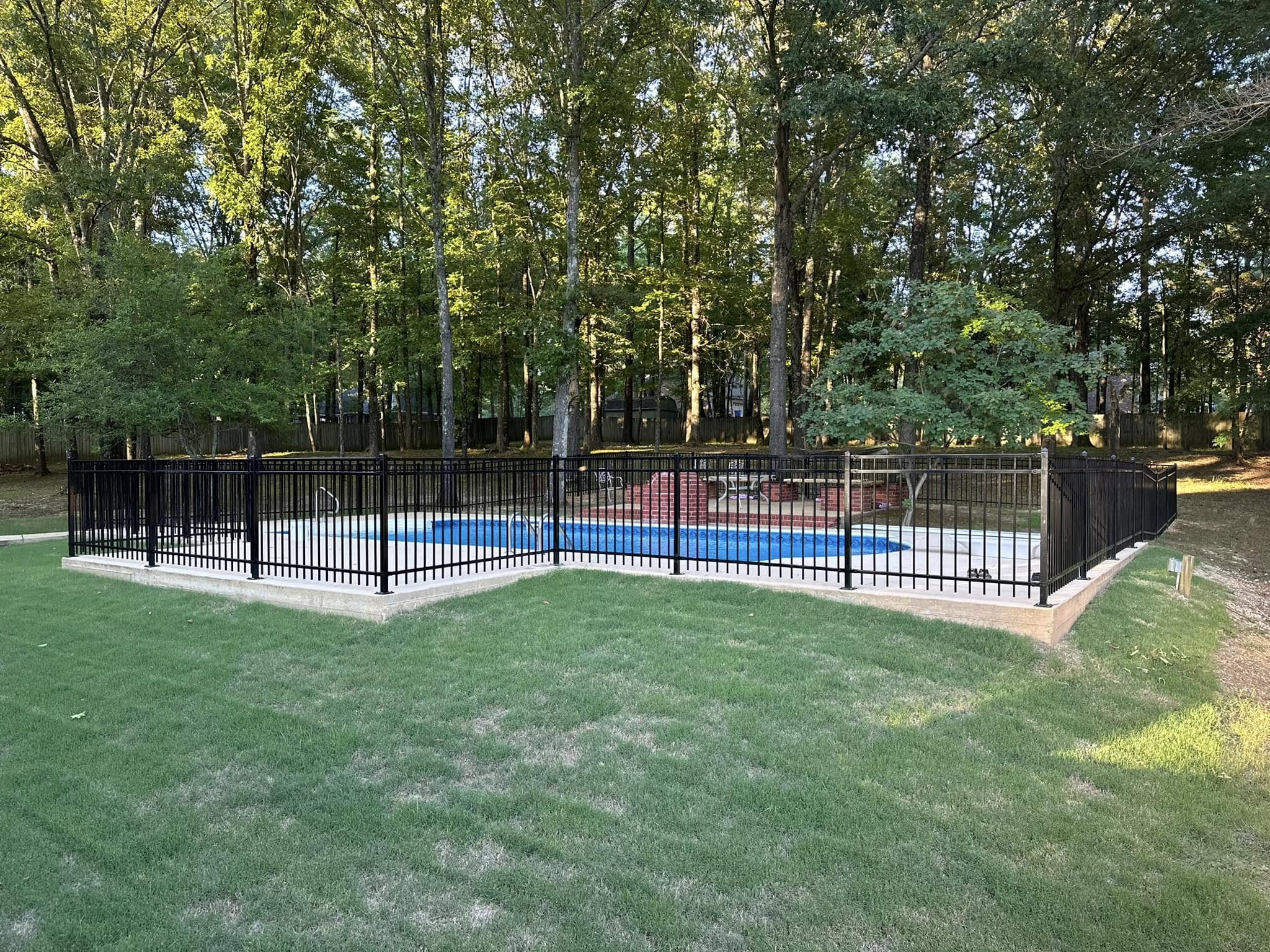
Metal fencing, including aluminum and wrought iron, provides another evolutionary step in the world of fencing materials. Known for their strength and security, these fences offer impressive durability. Aluminum is especially lightweight and resistant to rust, making it ideal for wet climates. Wrought iron, while heavier, exudes an air of elegance and grandeur. Both materials, however, can come with higher installation costs and might necessitate periodic painting or powder-coating to preserve their finish.
In recent years, composite fencing has gained significant momentum as a modern solution that seeks to combine the best attributes of its predecessors. Constructed from a mix of wood fibers and plastic resins, composite fences offer the natural aesthetics of wood with the low-maintenance benefits of vinyl. These fences are highly durable, resisting fading, warping, and decay, even in challenging weather conditions. Furthermore, composite materials are often made from recycled content, catering to eco-conscious consumers. Their cost might be higher initially, but the longevity and reduced maintenance can offer savings over time.
For homeowners seeking to balance functionality, aesthetics, and environmental responsibility, composite fencing represents the future. At Frontline Fencing LLC, we are committed to helping you choose the best fencing solution for your needs, ensuring that it complements your home's style while offering robust protection.
In conclusion, the evolution of fencing materials reflects a broader trend toward sustainability and convenience in home improvement. Whether you appreciate the classic allure of wood, the simplicity of vinyl, the resilience of metal, or the innovative features of composite, there's a fencing material suited for every property and preference. Embrace modern advances while maintaining a connection to traditional styles, and transform your property with a fence that stands the test of time. Contact Frontline Fencing LLC today for expert advice and top-quality installation.
/filters:no_upscale()/filters:format(webp)/media/0274edda-a37b-4847-b639-735b14d9a3be.jpeg)
/filters:no_upscale()/filters:format(webp)/media/61a294bb-6171-4a4b-b2e7-f875902a1d9c.jpeg)