The Role of Fencing in Creating Safe and Inviting Community Spaces Dec 05, 2025
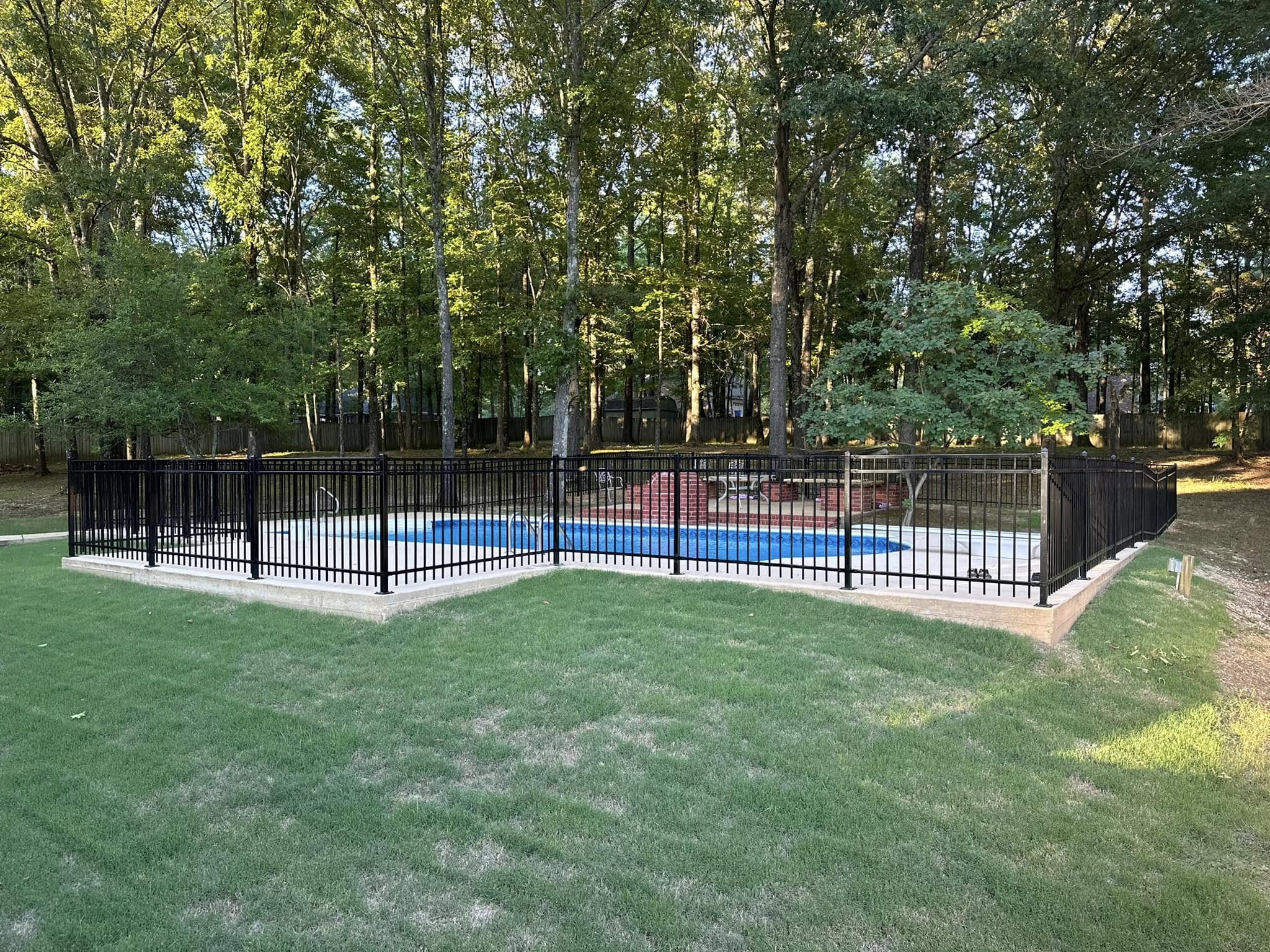
The importance of fencing in community spaces starts with safety. Fencing acts as a physical barrier that delineates boundaries, controlling access to specific areas. This is particularly important in parks or playgrounds where the primary concern is keeping children safe. An effective fence prevents unsupervised access to potentially hazardous areas, such as streets or bodies of water, while ensuring children and pets remain within safe zones.
Fencing also enhances security for residential communities. Inhabited spaces surrounded by the appropriate fencing deter trespassers and reduce the risk of vandalism or theft. This leads to a greater sense of security among residents, which can, in turn, promote higher community involvement. People are more likely to invest time and energy into communal activities and social interactions when they feel protected in their environment.
Aside from safety and security, fencing contributes to the aesthetic appeal of community spaces. A well-chosen fence can complement the architecture of surrounding buildings and enhance the natural beauty of green spaces. This not only improves the visual cohesion of an area but also raises property values, making the neighborhood a more attractive place to live and visit.
Moreover, fencing plays a pivotal role in noise reduction. For communities located near busy roads or industrial zones, a high-quality fence can serve as a sound barrier, significantly reducing unwanted noise pollution. This makes common areas more serene and enjoyable for gatherings, recreational activities, or simply relaxing in a peaceful environment.
Fencing also helps preserve privacy. Community gardens, picnic areas, and seating spots can all benefit from a sense of seclusion. When residents and visitors sense privacy in communal areas, they are more likely to use and respect these spaces. Fencing can create cozy, private nooks while still maintaining an open and welcoming environment.
In selecting the right fence for a community space, materials play a significant role. Options like wood, vinyl, or metal each offer unique advantages in terms of durability, maintenance, and aesthetics. It is crucial to consider the community's specific needs and preferences. For instance, a metal fence might provide superior security, while a wooden fence could offer a warmer, more natural look that blends seamlessly with park scenery.
Additionally, engaging community members in the design process of fencing can lead to more personalized and well-received results. Residents often appreciate a say in communal decisions, which reinforces a sense of ownership and pride in shared spaces.
In conclusion, the role of fencing in creating safe and inviting community spaces is multi-faceted. It provides essential safety and security, enhances the area's aesthetic appeal, reduces noise pollution, and acknowledges the need for privacy. Frontline Fencing LLC knows that a well-executed fencing solution is an investment in the community’s quality of life, ensuring that shared environments are welcoming, pleasant, and safe for all. By selecting the right materials and involving the community in design choices, fence installations can become a cornerstone of a thriving, harmonious community space.
/filters:no_upscale()/filters:format(webp)/media/0274edda-a37b-4847-b639-735b14d9a3be.jpeg)
/filters:no_upscale()/filters:format(webp)/media/61a294bb-6171-4a4b-b2e7-f875902a1d9c.jpeg)