Urban Green Spaces: Using Fencing to Encourage Community Interaction Jun 02, 2026
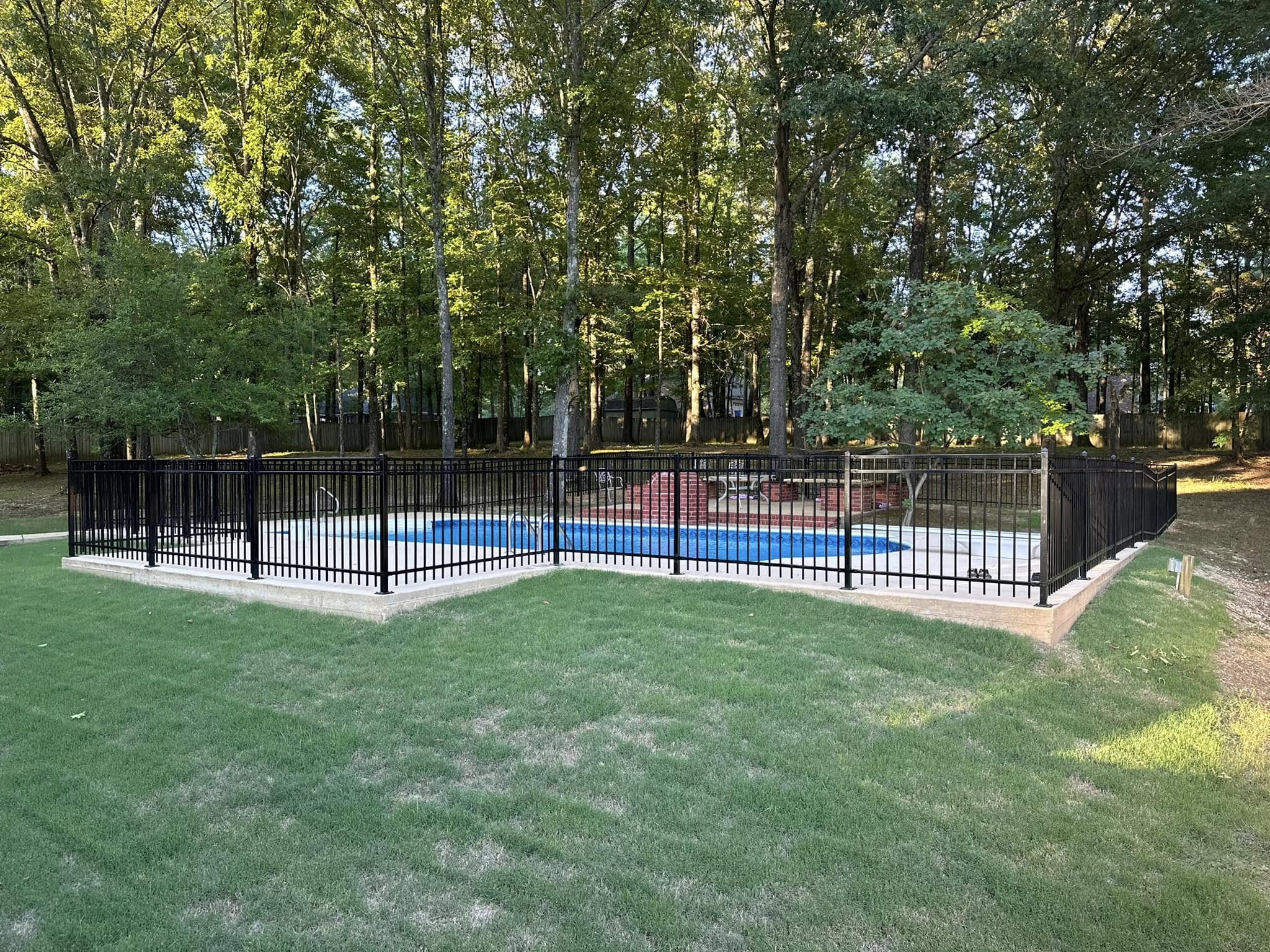
The role of fencing in urban green spaces extends beyond mere boundaries. Strategically placed fencing can define spaces, guide foot traffic, and ensure the security and safety of both the environment and its visitors. It can also contribute to the aesthetic appeal of the area, making green spaces more inviting for community members.
One of the primary considerations when designing fencing for community spaces is to encourage connectivity while maintaining individual zones. Fences should be inviting rather than prohibitive. Low, open-design fences can welcome visitors while subtly directing them to specific areas like playgrounds, picnic zones, or seating spaces. This layout helps community members feel more inclined to use these spaces for various recreational activities.
Privacy is another critical aspect of urban green spaces where fencing plays a pivotal role. In community gardens, for instance, appropriate fencing can protect plants from city animals while offering gardeners a sense of ownership and personal space. Fencing can also help to buffer noise, creating a quieter, more peaceful environment despite the bustling urban surroundings.
Constructing eco-friendly fences aligns with the sustainability goals of urban green spaces. Fencing materials like bamboo, recycled metal, or sustainably sourced wood not only have a lower environmental footprint but also blend naturally into green surroundings. These materials are durable and offer a rustic charm that can make urban spaces feel more natural and less industrial.
Furthermore, interactive fencing solutions can animate these green spaces, making them more appealing for family gatherings and community events. For example, installing chalkboard fences or whiteboards allows children and adults to express creativity through public art or informative notices. Creative fencing can transform otherwise static elements into sources of engagement and learning.
Frontline Fencing LLC believes that fencing not only enhances the beauty and functionality of urban green spaces but also fortifies community bonds. By fostering a safe, inclusive environment, fences can become a catalyst for social interaction. For example, enclosing playgrounds or sports courts encourages informal sports leagues or activities that can bring diverse community members together, fostering relationships and encouraging healthy, active lifestyles.
Concluding with a broader perspective, the thoughtful integration of fencing in urban green spaces by Frontline Fencing LLC demonstrates how critical design elements can support community interaction and safety. The goal is to use fencing not just as barriers, but as tools that encourage public use, enhance visual aesthetics, and promote sustainable practices. For cities looking to improve their public spaces, focusing on comprehensive, community-centered fencing solutions is an effective strategy to encourage daily use and interaction.
From defining boundaries to enhancing security, the potential of fencing in urban green spaces is vast. By leveraging these strategies, cities can transform unassuming lots into vibrant centers of community life—a vision that Frontline Fencing LLC is excited to make a reality.
/filters:no_upscale()/filters:format(webp)/media/0274edda-a37b-4847-b639-735b14d9a3be.jpeg)
/filters:no_upscale()/filters:format(webp)/media/61a294bb-6171-4a4b-b2e7-f875902a1d9c.jpeg)