Weathering the Elements: Installing Fences Built to Last in Harsh Climates Jan 14, 2026
Understanding the specific climate challenges your region presents is a key first step. Different environments pose unique threats; for example, areas prone to heavy rainfall may cause wooden fences to rot, while regions with high winds could jeopardize the structural integrity of less sturdy materials. It's important to evaluate these factors to choose the most suitable material and construction techniques.
One of the most resilient materials available today is vinyl. Vinyl fences are renowned for their ability to withstand extreme weather conditions. They are resistant to moisture, do not rot, and require minimal maintenance. This makes vinyl a popular choice for many homeowners looking to install a fence that will last in adverse climates. Furthermore, vinyl fences are available in a variety of styles and colors, ensuring that you do not have to sacrifice aesthetics for durability.
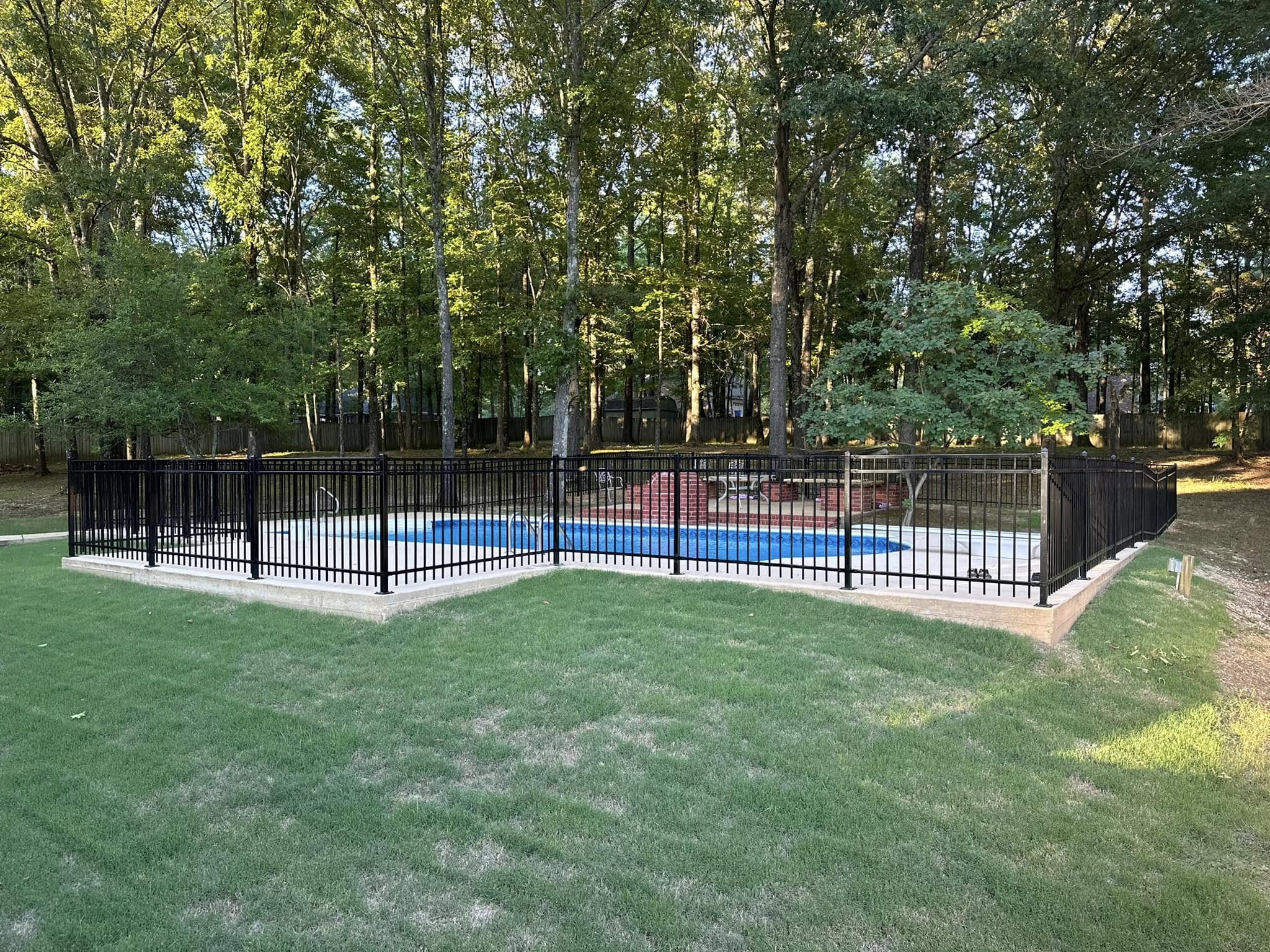
Aluminum is another excellent option for harsh climates. Its resistance to corrosion makes it particularly ideal for coastal areas where saltwater exposure is a concern. Additionally, aluminum fences are lightweight yet sturdy, allowing for an iron-like appearance without the associated maintenance issues. Powder-coated aluminum fences are often recommended by industry professionals due to their enhanced longevity and ability to retain color over time.
For those who prefer the natural look of wood, choosing the right type of wood and proper treatment methods is essential. Cedar and redwood are popular choices due to their natural oils, which make them resistant to decay and insects. It's also important to apply a high-quality sealant or stain to add an extra layer of protection against moisture and sun damage. Regular maintenance, including sealing and repairs, can significantly extend the life of a wooden fence.
Installation techniques can also greatly impact the durability of a fence. Pile-driven posts may provide better stability in windy areas compared to traditional post hole methods. Additionally, ensuring that posts are set in concrete can help prevent shifting and tilting, especially in regions with freeze-thaw cycles.
Beyond materials and techniques, maintaining your fence over time is key to its longevity. Conduct regular inspections to check for any damage or unusual wear and tear. Timely repairs can prevent minor problems from escalating, saving you time and money in the long run.
As you consider your options, consulting with fencing experts like those at Frontline Fencing LLC can provide invaluable insight into what will work best for your specific situation. Experienced professionals can assess environmental factors and recommend a tailored solution that ensures your fence remains sturdy and visually pleasing despite the elements.
In conclusion, installing a fence built to last in harsh climates involves thoughtful consideration of materials, installation practices, and ongoing maintenance. By making informed decisions, you can enjoy peace of mind knowing your fence will provide security and beauty for years to come, regardless of what Mother Nature throws your way. Reach out to Frontline Fencing LLC today to explore how their expertise can help you achieve the perfect balance of durability and design for your property.
/filters:no_upscale()/filters:format(webp)/media/0274edda-a37b-4847-b639-735b14d9a3be.jpeg)
/filters:no_upscale()/filters:format(webp)/media/61a294bb-6171-4a4b-b2e7-f875902a1d9c.jpeg)